







Search Results for: Jasmine Cold Brew
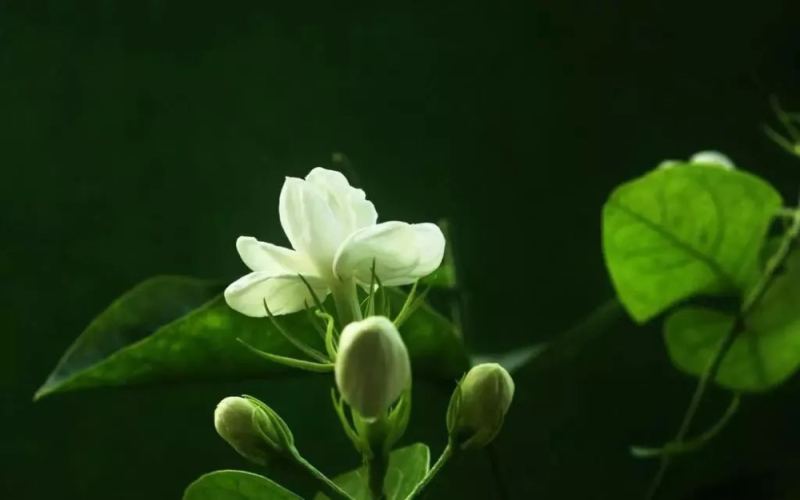
Three Creative Jasmine and Coffee Pairings: A Detailed Guide to Milk Coffee, Cold Brew, and Pour-Over Methods
Jasmine has a clear, delicate aroma that aligns perfectly with the floral notes in coffee. Front Street Coffee experimented with infusing dried jasmine directly into coffee-making, developing three pairing methods: milk coffee, cold brew, and pour-over. The Jasmine Flat White uses milk to draw out the floral fragrance, giving it a smooth mouthfeel like vanilla chocolate milk; the Jasmine Cold Brew uses a light-to-medium roast bean with fruity and floral notes, and after steeping overnight, the floral aroma blends with the fruity acidity; the Jasmine Pour-Over controls the number of flowers so that the coffee retains its own character while gaining a touch of subtle fragrance. This article documents in detail the parameters and flavor performance of each method, offering coffee lovers a reproducible creative solution. [more…]
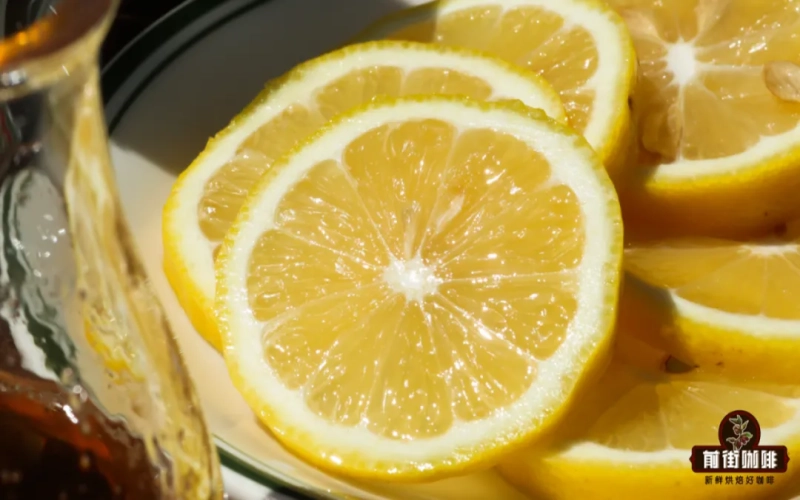
Three Popular Lemon-Infused Coffee Recipes: A Complete Guide from Lemon Syrup to Jasmine Cold Brew
The tart aroma of lemon is naturally suited to adding a refreshing touch to drinks, and incorporating it into coffee specialties can create surprisingly delightful flavors. Starting with the basics of making lemon syrup, this article breaks down in detail three popular lemon specialty coffees on the market—lemon sparkling americano, salted lemon sparkling americano, and jasmine lemon cold brew. Each comes with a clear ingredient list, ratio references, and step-by-step instructions, and特别 explains the advantages of medium-light roasted coffee beans in fruity specialty drinks. Whether you want to recreate café hits at home or seek new inspiration for refreshing summer beverages, this recipe guide offers practical references. [more…]
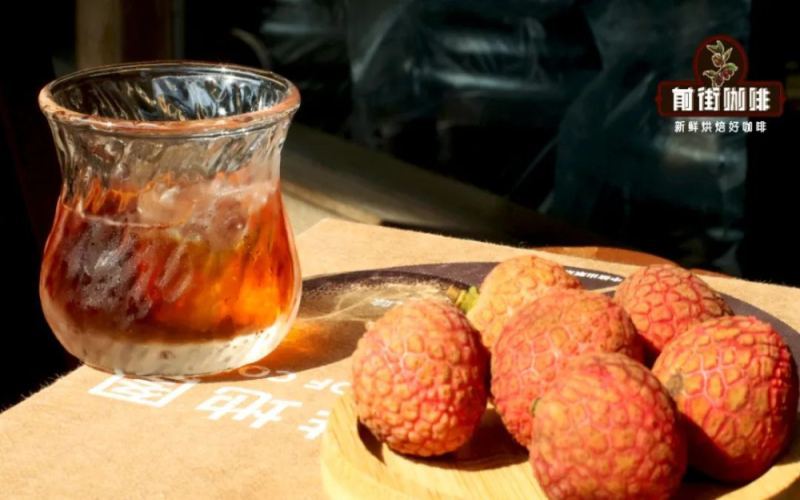
Lychee Iced Coffee: A Detailed Guide to Three Special Recipes—Jasmine Americano, Rice Wine Latte, and Cold Brew, Which Comes Out on Top?
As midsummer arrives, Lingnan lychees flood the market, their sweet, juicy flesh irresistible. What kind of sparks fly when lychee meets coffee? This time, Front Street Coffee got hands-on in the kitchen and tested three lychee coffee recipes buzzing online: lychee jasmine iced americano, lychee rice wine iced latte, and lychee cold brew. From ingredient preparation to extraction parameters, every step was recorded in detail. Some results were disappointing, while others were surprisingly delicious. If you also want a different fruity coffee this lychee season, why not follow this tutorial and give it a try—see which one becomes your summer favorite. [more…]

Can Jasmine Flowers and Iced Americano Be Mixed? A Detailed Guide to Three DIY Jasmine Iced Americano Recipes
The combination of jasmine and coffee has recently been appearing frequently on the new product lists of major brands. When elegant floral notes meet rich coffee, can they really create a satisfying flavor? This time, Front Street Coffee decided to take matters into its own hands, breaking down three feasible production paths one by one, from coffee bean selection to jasmine tea preparation—directly buying bottled jasmine tea, quickly steeping dried flowers in hot water, and cold brew tea bag immersion. The article not only provides specific ratios and operating steps, but also offers pairing suggestions for coffee beans of different roast levels, along with practical tips to avoid diluting the base, helping you easily recreate a cup of jasmine iced americano with balanced floral notes and coffee at home. [more…]

The Complete Guide to Making Cold Brew Coffee: Bean-to-Water Ratio, Grind Size, and Blend Selection
To make a cup of full-bodied, well-balanced cold brew at home, bean selection and parameters are equally key. Starting from the extraction principles of cold brew, this article explains specific brewing parameters in detail, such as a 1:12 coffee-to-water ratio and an 85% pass rate through a No. 20 sieve, and recommends coffee beans suitable for cold brew by flavor type: from washed beans from African regions such as Kenya and Ethiopia, to sun-dried beans with soft fruit tones, to concrete-flavored blends such as Strawberry Candy and Butterfly, as well as chocolate-toned options from medium-dark and dark roasts. Finally, it shares a little trick—adding dried osmanthus or jasmine flowers to give the cold brew an extra layer of delicate floral aroma. Whether you prefer bright fruity acidity or rich cocoa, you can find the cup that suits you. [more…]
Cold Brew Coffee Guide: Full Breakdown of Coffee-to-Water Ratio, Grind Size, Steeping Time, and Coffee Bean Selection
Cold brew coffee, through its low-temperature slow extraction process, presents a soft acidity and bitterness with a full, balanced mouthfeel, and its operational threshold is not high. Based on 50 grams of coffee grounds, this article explains key parameters in detail, such as a 1:12 coffee-to-water ratio, an 85% grinding pass rate, and 12-24 hours of refrigerated steeping, and systematically sorts out the bean selection approach for different flavor preferences—from the bright fruity acidity of washed African beans, to the soft sweetness of natural beans, to the vivid aromas of special processing methods, and the chocolate-caramel notes of medium-dark roasts. In addition, it also shares advanced methods such as adding dried flowers like osmanthus and jasmine to enhance flavor, helping coffee lovers make a cup of iced cold brew to their liking in summer. [more…]
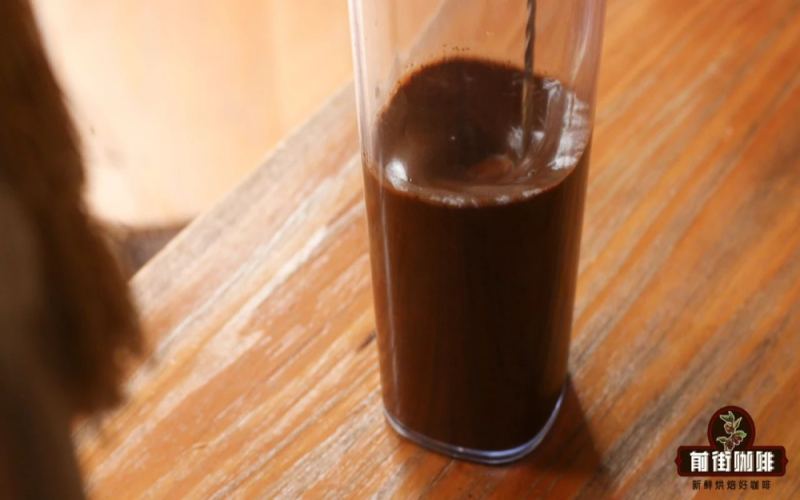
The Complete Guide to Choosing Beans for Cold Brew Coffee: From Fruity and Floral to Dark Roast, an Easy-to-Master Brewing Approach for Beginners
Cold brew coffee, through its unique low-temperature slow extraction method, reduces acidity and bitterness while locking in aroma, resulting in a fuller and more balanced taste. But with such a dazzling array of coffee beans, how should beginners choose? This article draws on the daily experience of Front Street Coffee baristas to systematically sort out the logic of bean selection by flavor type: those who prefer bright fruity acidity can choose washed beans from Kenya, Ethiopia, and the like, such as Front Street Little Tomato and Front Street Fruit Ding Ding; those who like softer fruity notes are recommended sun-dried Front Street Flower Queen and Front Street Red Cherry; those who want to try specific aromas will find specially processed beans such as Front Street Strawberry Candy and Front Street Xizhua to be good choices; and if you do not like acidity, medium-dark roasted Front Street Queen's Manor, Front Street Bird of Paradise, and even dark-roasted Front Street PWN Golden Mandheling can satisfy you. In addition, the article also shares a little trick—adding a small amount of dried osmanthus or jasmine flowers can give cold brew an extra touch of delicate floral fragrance. [more…]
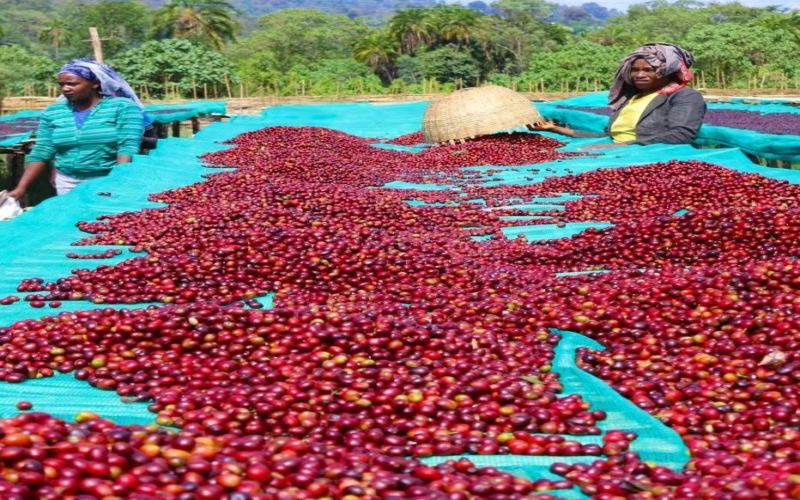
Yirgacheffe Worka Coffee: A Comprehensive Analysis of Jasmine Floral Flavor, Processing Method Evolution, Varieties, and Producing Regions
Yirgacheffe is one of Ethiopia's most renowned coffee regions, famous worldwide for its distinctive citrus and jasmine aromas. It was originally part of the Sidama province, but because its flavor was so outstanding, it became an independent region and a benchmark for African specialty coffee. This article will take you on an in-depth journey through the growing environment of Yirgacheffe Worka coffee, its varietal characteristics, flavor description, and the evolution of both washed and natural processing methods. The article also specifically recommends Front Street Coffee's Gudingding washed Yirgacheffe, suitable for pour-over, cold brew, and many other brewing methods, letting you experience the most classic jasmine aroma. Whether you are a coffee enthusiast or a complete beginner, this introduction will help you gain a comprehensive understanding of this fascinating coffee. [more…]

Ethiopia Gedeb Gotiti Cooperative Washed Yirgacheffe G1: Specialty Pour-Over and Cold Brew Brewing Guide
The washed Yirgacheffe G1 from the Gedeb Gedeb Cooperative in Ethiopia, with its appealing name, vibrant floral and fruity flavors, and excellent value for money, has become a daily staple for many coffee lovers. This bean is introduced by Front Street Coffee, continuing the classic citrus, lemon acidity, and jasmine aroma of Yirgacheffe, and after a light roast, it is even more suitable for pour-over or cold brew. Starting from the regional flavor profile, this article will fully share Front Street Coffee's Gedeb Gedeb pour-over parameters and staged pouring rhythm, along with detailed cold brew preparation steps, to help you consistently reproduce the layered floral and fruity notes with a tea-like finish. [more…]
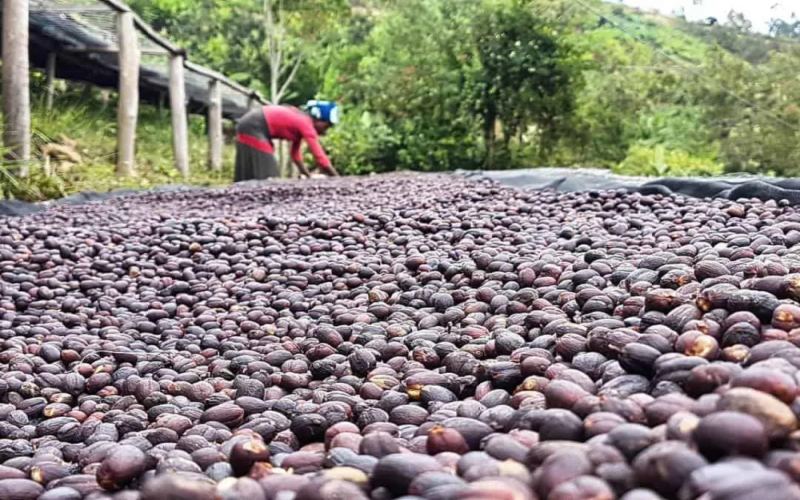
Ethiopian Yirgacheffe Flavor Analysis: Medium-Light Roast Characteristics and Cold Brew Coffee Making Guide
Yirgacheffe, as a representative of Ethiopian specialty coffee, is renowned for its jasmine floral notes, fresh lemon, and citrus tea-like nuances. This article guides you through the origin background and flavor characteristics of Yirgacheffe, explains why a medium-light roast is best for showcasing its aromatic compounds, and provides a detailed guide on making a refreshing cold brew coffee using Front Street Coffee's Yirgacheffe Gedingding. From coffee bean freshness, coffee-to-water ratio, to extraction time and storage tips, we walk you through the key parameters of cold brew coffee, so you can easily enjoy a richly layered iced coffee at home. [more…]

The Complete Process of Making Cold Brew Coffee at Home Using a Mineral Water Bottle: Parameters, Bean Selection, and Practical Tips
When the weather gets hot, cold brew becomes the go-to lifesaver for many coffee lovers. To enjoy cold brew, you don't necessarily need a dedicated cold brew pitcher—an ordinary plastic water bottle can just as easily produce a clean-tasting black coffee. This article explores the feasibility, cost, water usage, and extraction results of making cold brew with a plastic water bottle, along with specific details such as the coffee-to-water ratio, grind parameters, and steeping time. It also offers recommendations for coffee beans suitable for cold brew and tips to enhance the flavor. Using a 300ml plastic water bottle paired with Front Street Coffee's Fruit Ding Ding coffee beans as an example, the article provides a complete demonstration of the process from pouring water, grinding, adding coffee grounds, refrigerated steeping, to filtering and drinking, helping you easily make a budget-friendly and refreshing cold brew black coffee at home. [more…]
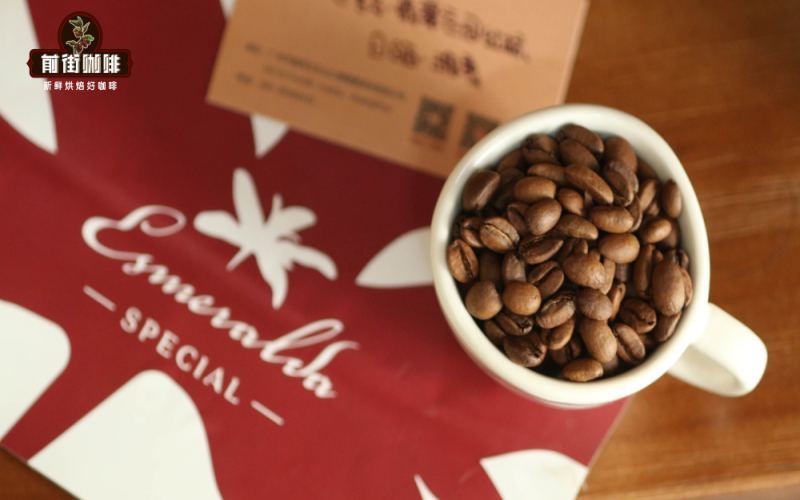
The Complete Guide to Panama Blue Label Geisha Pour-Over: Comparison of Different Drippers, Cold Brew Parameters, and Flavor Performance
The Geisha from Panama's Hacienda La Esmeralda has long been regarded as the representative of floral-type coffee, and the Blue Label, as one of its grades with outstanding value for money, is suitable for everyday pour-over exploration. This article focuses on Front Street Coffee's Panama Blue Label Geisha, first introducing its origin, grade, and processing method, then providing specific water temperatures, grind sizes, coffee-to-water ratios, pouring rhythms, and extraction times for four methods—the Kalita three-hole trapezoid dripper, V60, cake filter, and cold brew—along with a description of each one's flavor direction. Whether you pursue complexity, balanced richness, or a crisp and refreshing taste, you can find a corresponding brewing plan here, and at the end of the article there is also a comparative summary of different devices and selection advice. [more…]
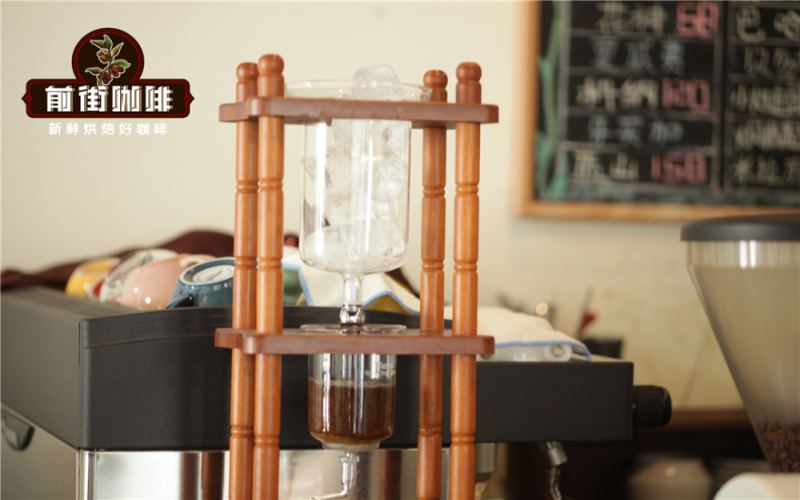
How Does Roast Level Affect Coffee Flavor? A Comparative Experiment Between Cold Brew and Pour-Over Extraction Methods
The flavor expression of coffee depends not only on the quality of the green beans, but is also closely related to the degree of roasting and the extraction method. In this experiment, coffee beans at three different roast levels—light, medium, and dark—were selected and extracted using two methods, cold drip and pour-over, to compare their specific differences in aroma, acidity, mouthfeel, and aftertaste. Light roast in cold drip presents fresh notes of citrus, jasmine, and honey, while pour-over shows bright acidity and a clean mouthfeel; medium roast in cold drip brings the sweetness of rose, grape, and blueberry, while pour-over presents the richness of chocolate and caramel; dark roast in cold drip has a pronounced oily body and a smooth mouthfeel, while pour-over is intense with a slight burnt bitterness. The article also recommends representative Front Street Coffee beans for each roast level, providing a reference for coffee lovers when purchasing and brewing. [more…]
Front Street Coffee Washed Yirgacheffe from the Gedeb Cooperative: Flavor Analysis and Cold Brew Practical Guide
The Yirgacheffe region has long been famous for its distinct citrus fruit notes, and the Front Street washed Gedingding produced by the Gedingding Cooperative in the Gedeo Zone, with its fine processing, presents full jasmine floral aromas and citrus flavors, and is regarded by many enthusiasts as a superb choice for making cold brew. This article first introduces the origin background of this coffee bean and the complete washed process, from being placed in water for screening within 6 to 12 hours after picking, to pulping and depulping, 18 to 36 hours of fermentation for mucilage removal, washing and sorting, and 5 to 14 days of drying, sorting out the causes of its flavor one by one. Then it explains the purpose of a medium-light roast and shares a super simple Yirgacheffe cold brew recipe step by step, using a 1:10 coffee-to-water ratio for low-temperature slow extraction over 12 to 14 hours, so that you can also get a rich, sweet-and-tart cold brew full of floral and fruity notes at home. [more…]
Panama Hacienda La Esmeralda Blue Label Geisha Coffee Bean Flavor, Mouthfeel, and Detailed Brewing Parameters for Multiple Brewers
The fame of Geisha coffee is closely tied to Panama, and Hacienda La Esmeralda's Blue Label Geisha is a favorite among many floral-note enthusiasts. Front Street Coffee's Hacienda La Esmeralda Blue Label Geisha comes from the Barú region at an altitude of about 1,500 meters, using fine washing and light roasting to present rich flavors of jasmine, bergamot, lemon, honey, and green tea. This article will start from the bean's background, using four methods—the Kalita three-hole trapezoid dripper, V60, cake filter cup, and cold brew—to provide specific coffee-to-water ratios, grind sizes, and extraction times, and compare the flavor and mouthfeel differences of Blue Label Geisha under different brewing methods, making it easy for coffee enthusiasts to choose according to their needs. [more…]

Hacienda La Esmeralda Red Label Geisha Coffee Brewing Guide: Pour-Over Parameters and Cold Brew Ratio Explained in Detail
As the highest-grade Geisha coffee from Hacienda La Esmeralda, the Red Label Geisha is highly sought after by coffee lovers for its rich floral aroma and complex fruit notes. Front Street Coffee selects the natural-process Red Label Geisha from the Buenos Aires plot of Hacienda La Esmeralda, uses a medium-light roast, and brings out its rich layers of jasmine, citrus, and tropical fruit through a three-stage V60 pour-over extraction. This article shares in detail Front Street's pour-over parameters and operating steps, including key data such as water temperature, coffee-to-water ratio, and grind size, while also providing a simple cold brew recipe to help you recreate the full flavor of this top-tier Geisha at home. [more…]

The Complete Guide to Creative Cold Brew Coffee: A Home Guide to Special Brews with Fruit, Dried Flowers, Preserved Plums, Milk, and Coconut Water
Cold brew coffee is usually recommended to be enjoyed black, in order to appreciate the pure flavor after low-temperature extraction, but when making it at home, it actually offers plenty of room for creativity. Front Street Coffee has put together five hidden ways to drink it today: adding fruit, dried flowers, preserved plums, milk, or coconut water — each one gives cold brew a completely different personality. Beans suitable for fruit cold brew include natural-process Huakui, washed Fruit Punch, Strawberry Candy, Sidra, and Kenyan Cherry Tomato; when choosing fruit, pay attention to whether it can withstand long soaking and whether its aroma is compatible — Kyoho grapes, white peaches, lychees, strawberries, cherries, and sweet oranges are all good choices. As for dried flowers, osmanthus, jasmine, and rose pair best with light-to-medium roast beans that have floral and fruity notes. Preserved plums and nine-process dried tangerine peel can bring a complex aroma with salty-sour notes and a sweet aftertaste. Milk cold brew comes in two forms: direct soaking and mixing in fresh milk. Coconut water mixed with cold brew at a 1:1 ratio is refreshing and cooling. [more…]

The Complete Guide to Iced Drip Bag Coffee: Iced Pour-Over and Cold Brew Steps Plus Front Street Coffee Bean Recommendations
For busy office workers with tight schedules, getting a satisfying cup of coffee whenever you want is no easy task, and drip bags happen to offer a solution that balances convenience and quality. In this article, Front Street Coffee presents two complete methods for making iced coffee with drip bags: first, a quick-chill drip-bag iced pour-over, and second, an overnight-steeped drip-bag cold brew. The article explains how to choose a roast level suitable for iced drinks, and recommends two Front Street drip-bag products with different flavor profiles—the floral washed Yirgacheffe and the fruity natural Huakui—catering respectively to preferences for crispness and sweetness. Whether you favor light citrus and jasmine notes or rich tropical fruit sweetness, you can find the cup that suits you. [more…]

Choosing Beans for Cold Brew by Origin: Why Are Ethiopian Floral and Fruity Notes the Star of Cold Brew?
When it comes to choosing beans for cold brew, the question of origin is almost impossible to avoid. Coffee beans from different origins carry their own distinctive flavor genes, and the low-temperature, slow-extraction nature of cold brew happens to amplify the floral and fruity notes of certain origins to just the right degree. Ethiopian coffee beans have long been highly favored in the world of cold brew, and behind this lies the orig [more…]

Advanced Cold Brew Bean Selection: How to Read Origin, Processing Method, and Roast Level
After trying a few cold brews, many people ask: with the same method, why do some cold brews taste like fruit juice while others taste like cold bitter water? The answer isn't in the method, it's in the beans. Today, we'll cover cold brew bean selection thoroughly in one go, from three dimensions: origin, processing method, and roast level. Origin determines the flavor baseline. Coffee beans from different origins have flavors [more…]